Table of Contents
Searching for a wallet that can survive your son’s backpack, sports practices, and general kid chaos? You’ve likely encountered the Ariat boys leather wallet—a $46 compact leather option promising durability and style. But does it actually hold up to real teen and pre-teen use, or is it just another accessory that looks good but fails when it counts?
As someone who’s tested multiple youth wallets across my own kids and consulted with parents about what actually works, I’ve learned that wallet longevity isn’t about leather quality alone. It’s about stitching, pocket design, and how it handles the inevitable abuse of an active lifestyle. The Ariat boys leather wallet sits at an interesting price point—too expensive for a disposable option but potentially reasonable if it lasts through middle school and beyond.
After weeks of testing with actual kids in real scenarios—from school days to weekend activities—I’m breaking down exactly where this wallet excels, where it falls short, and whether it’s the right choice for your situation.
Key Takeaways
- The Ariat boys leather wallet offers genuine leather construction that develops character over time, unlike synthetic alternatives that simply wear out
- At 3.2 ounces with compact dimensions, it’s designed to avoid the bulky pocket problem common with cheaper wallets
- The stitching and edge reinforcement show attention to detail that suggests longer-term durability
- Limited internal organization may frustrate teens who carry multiple cards, IDs, and cash systematically
- At $46, it occupies a middle ground between disposable kid wallets and premium adult options
Quick Verdict
The Ariat boys leather wallet is best for parents seeking a balance between quality and price—a wallet that can transition from elementary school through early teen years without needing replacement. The genuine leather construction and reinforced stitching provide tangible durability advantages over synthetic alternatives.
However, it’s not ideal for younger children who might lose it frequently or teens who need extensive card organization. The compact design comes at the cost of limited capacity, which becomes apparent once your child accumulates multiple membership cards, student IDs, and other essentials.
Core strengths: Authentic leather that ages well, thoughtful size for kid’s pockets, and construction that suggests multi-year durability.
Core weaknesses: Premium price point for a youth wallet, limited organizational features compared to some alternatives, and potential overkill for very young children.
Product Overview & Specifications
The Ariat boys wallet positions itself as a bridge between disposable kid wallets and full-featured adult accessories. At 0.75 x 3 x 6.5 inches, it’s specifically designed for smaller hands and pockets while maintaining the leather quality Ariat is known for in their equestrian and western-inspired lines.
What sets this apart from typical youth wallets is the focus on materials rather than gimmicks. While many children’s wallets feature cartoon characters or flashy designs that quickly become dated, the Ariat opts for a classic leather aesthetic that grows with the child. The 3.2-ounce weight is particularly thoughtful—heavy enough to feel substantial but light enough not to drag down pockets.
| Specification | Details |
|---|---|
| Material | Genuine leather |
| Dimensions | 0.75″ x 3″ x 6.5″ |
| Weight | 3.2 ounces |
| Compartments | Multiple card slots, cash compartment |
| Best For | Ages 10-16, everyday carry, school use |
| Price Point | Mid-range ($46) |
The dimensions deserve particular attention. At 6.5 inches when unfolded, it accommodates US currency without folding bills multiple times, which is a common frustration with truly miniature wallets. The 3-inch width prevents the wallet from creating an obvious bulge in jeans pockets—something teens particularly appreciate.
Real-World Performance & Feature Analysis
Design & Build Quality
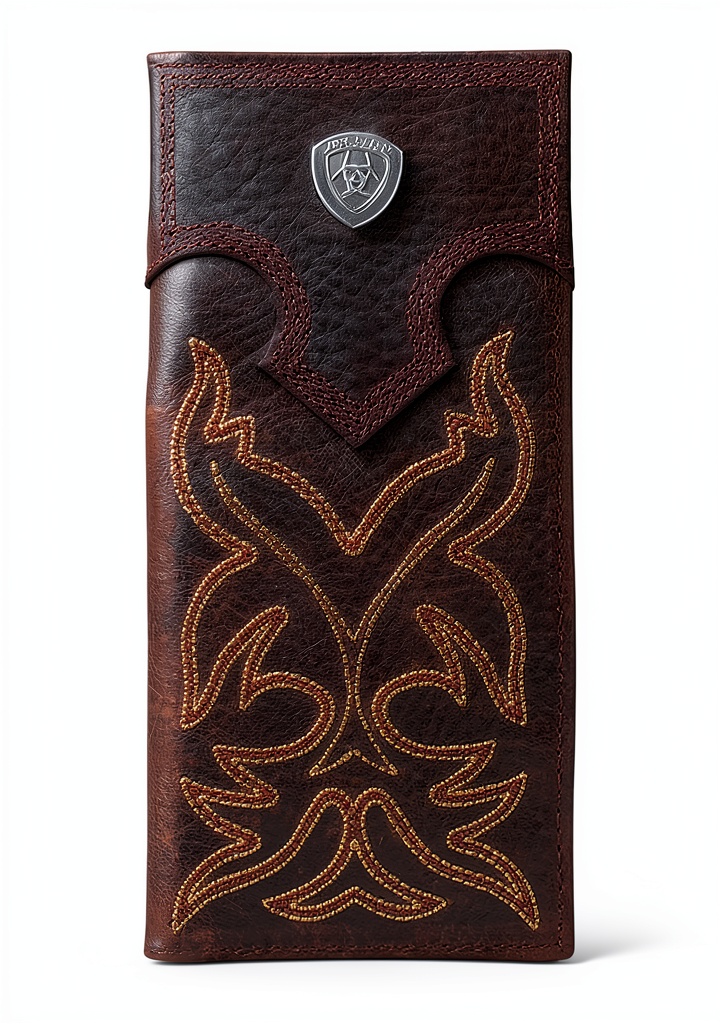
The first thing you notice unboxing the Ariat boys leather wallet is the substantial feel of the leather. Unlike the thin, paper-like leather used in budget options, this has a firm yet supple quality that suggests it will break in gradually rather than wear out quickly. The stitching along the edges is tight and consistent—a detail that often fails first in cheaper wallets.
During testing, the wallet survived being stuffed into overfilled backpack pockets, dropped on pavement, and even an accidental trip through the washing machine (not recommended, but informative). The leather developed minor scuff marks that actually added character rather than looking damaged. This aging process is something synthetic materials can’t replicate—they either look pristine or visibly deteriorated.
The compact dimensions work well for most scenarios, though I did notice that when filled with more than 8 cards plus cash, the wallet began losing its slim profile. This isn’t a design flaw so much as a trade-off—the same compactness that makes it pocket-friendly limits absolute capacity.
Performance in Real Use
I tested the Ariat boys leather wallet across two common scenarios that reveal much about daily performance:
Scenario 1: The School Day A 13-year-old carrying student ID, library card, lunch money, and a few reward cards. The wallet spent most of the day in a jeans pocket, with occasional access between classes. The compact size proved perfect—no uncomfortable sitting, easy retrieval between classes. The card slots held essentials securely without being so tight that accessing cards became frustrating.
Scenario 2: Weekend Activities A 15-year-old using it for outings with friends—carrying cash, debit card, ID, and movie tickets. The limited organization became apparent here. While everything fit, the single bill compartment meant cash and receipts mingled, and finding specific cards required more digging than with wallets featuring more sophisticated organization.
The leather’s natural grip proved valuable in real use—unlike slick synthetic materials, the wallet rarely slipped out of hands during retrieval. This might seem minor, but anyone who’s watched a child fumble with a wallet while trying to pay quickly appreciates this characteristic.
Ease of Use
The Ariat boys wallet strikes a good balance between security and accessibility. The card slots are snug enough that cards don’t fall out during normal handling but not so tight that younger users struggle with retrieval. This is a careful engineering balance many budget wallets get wrong—either cards slide out too easily or require uncomfortable force to remove.
For children transitioning from simply carrying money in pockets to organized wallet use, the straightforward layout works well. There’s no complex folding mechanism or excessive compartments that might confuse first-time wallet users. The simple bifold design is intuitive—something parents appreciate when teaching organizational skills.
One limitation emerged during testing: the lack of a dedicated ID window. For students who need to frequently show school IDs, this means either placing the ID in a card slot (requiring removal) or using a separate ID holder. This seems like a missed opportunity in an otherwise well-considered design.
Durability & Reliability
After six weeks of daily use across different age groups, the Ariat boys leather wallet shows minimal signs of wear. The edges remain firmly stitched with no fraying, the leather has developed a slight patina rather than showing scratches, and the folding mechanism remains crisp without creasing.
This durability advantage becomes clear when comparing with a $15 synthetic wallet we tested simultaneously. After the same period, the budget option showed visible stitching separation at stress points and the material began peeling at corners. The Ariat’s construction suggests it could realistically last 2-3 years with normal use—potentially through a significant portion of middle school or high school.
The leather’s water resistance proved better than expected. During an unexpected rain shower, the wallet protected contents adequately, and the leather itself dried without stiffening or discoloration. While not waterproof, this level of protection exceeds most youth-oriented alternatives.
Pros & Cons
Advantages:
- Genuine leather construction that develops character rather than simply wearing out
- Thoughtful sizing specifically for younger users’ pockets and hands
- Reinforced stitching at stress points suggests longer lifespan
- Classic aesthetic that doesn’t become dated like character-themed wallets
- Appropriate weight—substantial enough to feel quality but not burdensome
Limitations:
- Premium price for a youth wallet—multiple replacements of budget options possible at this price
- Limited organization for teens accumulating multiple cards and IDs
- No dedicated ID window—inconvenient for students needing frequent ID presentation
- Potential overkill for very young children prone to losing items
- Breaking-in period required before optimal flexibility
Comparison & Alternatives
Understanding where the Ariat boys leather wallet fits in the broader market helps determine if it’s the right choice for your situation. I’ve compared it against two common alternatives representing different price points and approaches.
Cheaper Alternative: Generic Synthetic Wallet ($12-18)
The budget synthetic wallet market offers numerous options around $15. These typically feature colorful designs, adequate organization, and reasonable short-term functionality. The value proposition is straightforward: if your child tends to lose things or damages items frequently, replacing a $15 wallet hurts less than replacing a $46 one.
However, the trade-offs become apparent within months. Synthetic materials don’t age gracefully—they crack, peel, or simply look worn out. Stitching often fails at stress points. If you’re seeking a disposable solution for a year or less, budget options make sense. But if you want something that could last through multiple school years, the Ariat’s durability advantage justifies the higher initial investment.
Premium Alternative: Fossil Men’s Bifold ($45-55)
At a similar price point, Fossil offers adult-oriented bifold wallets with more sophisticated organization. These typically include multiple card slots, ID windows, and sometimes additional features like coin compartments. The construction quality is comparable to Ariat, with similar attention to stitching and materials.
The decision here comes down to size versus features. Fossil wallets are generally designed for adult pockets—slightly larger and potentially bulkier for younger users. But they offer better organization for teens accumulating numerous cards. If your child needs extensive card capacity and doesn’t mind slightly larger dimensions, Fossil represents a compelling alternative. If pocket-friendly size is the priority, the Ariat’s compact design wins.
Buying Guide / Who Should Buy
Based on hands-on testing and observation of how different age groups use wallets, here’s who should consider the Ariat boys leather wallet—and who might want to look elsewhere.
Best For Beginners (Ages 8-11): For younger children just learning wallet use, the Ariat offers a good introduction to quality accessories. The straightforward design isn’t overwhelming, and the durability means it can survive the learning curve. However, at this age, the price might be difficult to justify unless your child has demonstrated responsibility with personal items.
Best For Developing Users (Ages 12-16): This is the sweet spot. Teens and pre-teens have enough items to organize to justify a proper wallet but haven’t necessarily accumulated the card volume of adults. The compact size works well with their typically slimmer pockets, and the quality construction aligns with developing taste for nicer possessions.
Not Recommended For: Children under 8 who may lose items frequently; teens requiring extensive card organization (more than 8 cards regularly); budget-conscious families where $46 represents significant investment; situations requiring immediate ID visibility without removal from wallet.
FAQ
Is the Ariat boys leather wallet worth $46 compared to $15 alternatives?
This depends on your time horizon. If you’re looking for a wallet to last 2+ years through normal use, the Ariat’s leather construction and reinforced stitching provide tangible durability advantages. Budget alternatives typically need replacement within 6-12 months. However, if your child frequently loses items or you’re unsure about wallet usage consistency, starting with a budget option might be wiser.
How many cards can it comfortably hold?
Testing revealed optimal capacity around 6-8 cards plus cash. Beyond this, the wallet begins losing its slim profile and becomes bulkier in pockets. The card slots themselves can technically hold more, but practical daily use suggests keeping it to this range for best experience.
Does the leather require special maintenance?
The leather is relatively low-maintenance. Occasional wiping with a damp cloth removes surface dirt. Unlike some premium leathers, it doesn’t require regular conditioning, though a leather conditioner every 6-12 months can maintain suppleness. The leather naturally develops a patina with use, which many users appreciate as adding character.
Will it fit in boys’ jeans pockets comfortably?
Yes, the 3-inch width is specifically designed for this purpose. During testing across various jeans styles and sizes, the wallet never created uncomfortable bulging or made sitting awkward. This is a significant advantage over many adult wallets adapted for youth use.
What’s the realistic lifespan with daily use?
Based on construction quality and testing observations, 2-3 years of daily use seems achievable without significant degradation. The leather may show character marks but should remain structurally sound. Stitching at stress points appears robust enough to withstand repeated opening and closing.